The advancements of artificial intelligence (AI) have reshaped how healthcare is delivered, diagnosed, and operated. From advanced diagnosis and treatment precision to optimizing administrative processes, AI in healthcare is boosting every factor of modern medicine. Machine learning in healthcare allows algorithms to sift through medical complex data to detect diseases earlier improving embryonic stages but efficiency and precision in AI on decision making in the clinical industry have been developed for early detection. Learn more about our healthcare software development services.
Artificial chatbots and virtual assistants are providing 24/7 support to patients, and robotic process automation is taking care of repetitive functions in the back office, to help take pressure off medical staff. Artificial intelligence in healthcare has also had a huge impact on personalized medicine, using genetic data to develop tailored treatment plans. In medical imaging, computer vision in medicine allows AI to identify diseases much faster and with higher accuracy than human review.
AI in drug discovery is also reducing research time and costs overall, which means pharmaceutical companies can get treatments to market quicker. All of this adds up to better patient care, fewer mistakes, and more efficient business operations making AI more than just a nice tool, but truly a linchpin in healthcare AI applications and innovation. Our AI development services can help you implement these solutions.
Use Cases and Applications of AI in Healthcare
The use of artificial intelligence in healthcare is becoming more prevalent in all aspects, and it is now possible to use the computational power of machines to implement fast and accurate processes, making them more efficient. Here are some of the most promising AI use cases for healthcare in 2025:
AI in Medical Diagnosis
AI is helping healthcare providers to diagnose diseases with remarkable accuracy. By finding patterns in patient symptoms, lab test results and medical history, A.I.-powered systems can alert doctors and nurses when a diagnosis or treatment seems amiss.
These are technologies that read large sets of data, and alert doctors to early signs of disease, and in doing so decrease diagnostic errors and speed up diagnosis. The AI can also help doctors in diagnosing diseases to a stunning degree of accuracy. By analyzing through patient symptoms, lab tests and a patient's medical history, AI in medical diagnosis finds patterns that a human might overlook.
AI for Medical Imaging Analysis
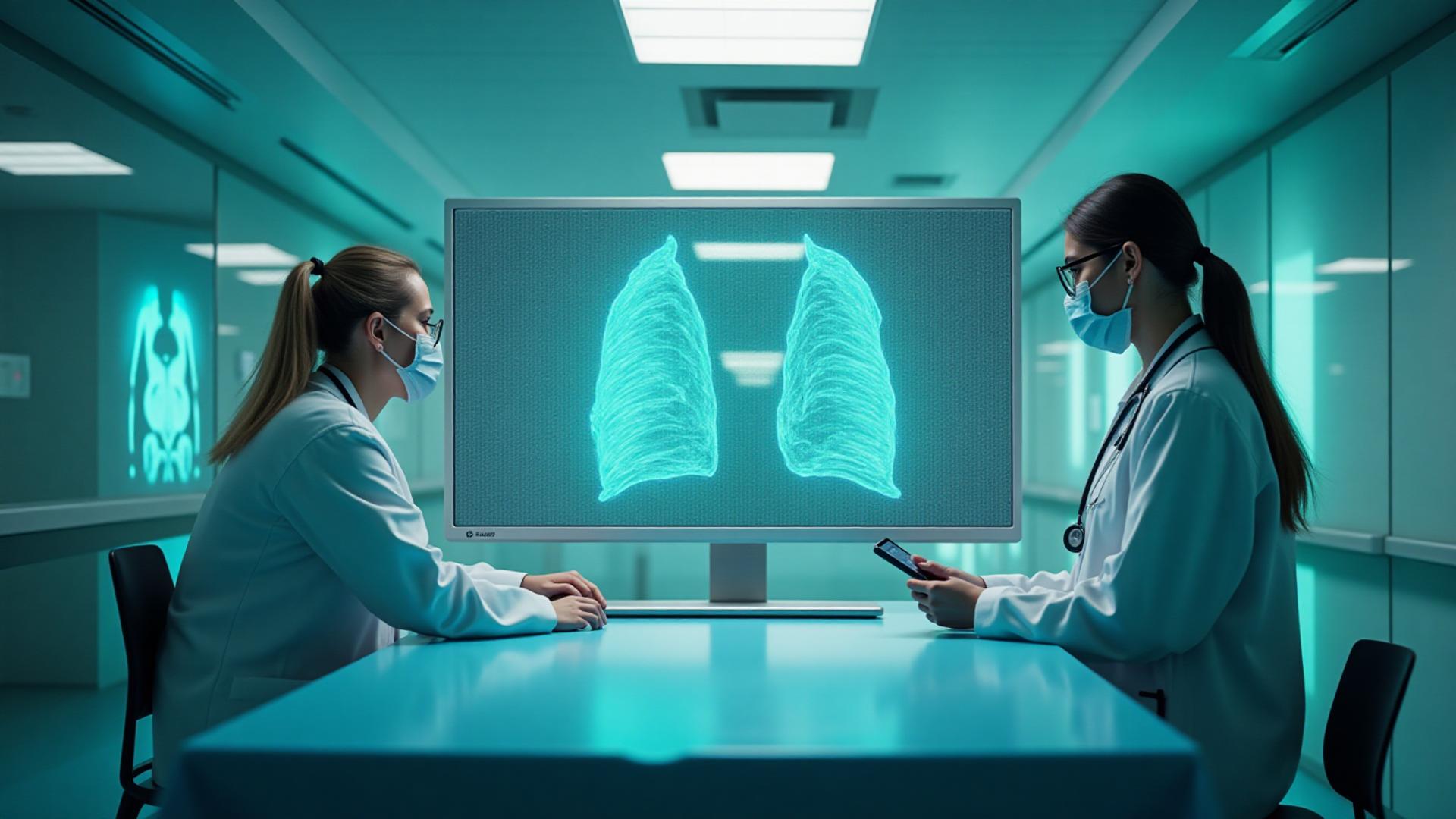
Today, AI in medical imaging and diagnosis is what radiologists are allowed to interpret stacks of MRIs, X-rays and CT scans. AI algorithms and computer vision in medicine can now accurately spot tumors, fractures and organ anomalies. These call attention to regions of concern which require additional analysis, leading to a more rapid and confident diagnosis.
AI also helps track disease progression over time and significantly reduces the time it takes to develop treatment plans.
AI in Robotic Surgery
AI is revolutionizing the way we do surgery and use robots in surgery. Using real-time data, these platforms help steer robot arms with astonishing precision through challenging procedures. AI gives them feedback while operating, so they make instantaneous corrections if necessary.
The result? Minimally invasive surgeries, quicker recovery and decreased risk of complications – AI in healthcare is essential to the advancement of modern surgery.
AI in Medical Claim Processing
Some of the most useful AI use cases in healthcare include processing medical claims and detecting fraud. AI algorithms also READ medical records and ensure that there are no discrepancies or that there is no fraud in billing.
These systems prevent human error, streamline approvals for claims and assist AI for hospitals to save costs by taking over the paperwork and reducing the time spent waiting for a reimbursement.
AI in Electronic Health Records (EHRs)
Managing patient records may be a time-consuming task, but machine learning in healthcare makes it easier and more effective. A more positive and plausible scenario would involve the AI-enhanced EHR system automatically mining, structuring the patient information, understanding the clinical notes (using NLP in healthcare) and helping physicians finding and accessing the accurate information whenever they need it the most.
This results in improved documentation, less paperwork, and smarter AI for patient care and monitoring.
AI for Surgical Process Optimization
Hospitals are using healthcare automation technologies such as AI to enhance planning and implementation of surgical procedures. AI tools, by learning from past surgeries, can pinpoint potential challenges and recommend alternative approaches for upcoming operations.
Surgeons are received with data-driven information on complication risk and resource utilization, resulting in better surgical scheduling and better patient outcomes.
AI-Powered Clinical Decision Support Systems (CDSS)
Artificial intelligence in clinical decision-making is becoming a standard in care. AI-based CDSS tools help clinicians with real-time recommendations influenced by the clinical data, treatment guidelines and scientific literature.
Such systems assist doctors in making informed decisions, particularly in challenging or high-risk cases. CDSS diminishes uncertainty for personalized healthcare AI applications and improved treatment results.
AI in Drug Discovery and Development
AI in drug discovery is revolutionizing pharmaceutical research. It can break down molecular structures and forecast how various compounds will interact, saving time and money in the process of discovering new drugs. That helps pharma companies create new drugs more quickly and address more rapidly changing treatments and new diseases, a key trend in healthcare AI trends.
AI in Medical Fraud Detection
Billing-related fraud and abuse is a significant issue. AI systems analyze patient data and financial documents for red flags like exaggerated charges or false claims.
Early detection of fraud With its ability to detect fraud, AI in healthcare aids in reducing loss, avoiding legal trouble, and maintaining trust by way of transparency with patients and insurance companies.
Predictive Maintenance for Medical Equipment
The concept of real-time medical device monitoring is described in the context of healthcare predictive analytics. AI can, for example, analyze data from sensors and maintenance logs to predict when a piece of equipment might break down and proactively recommend servicing based on that prediction.
But being proactive makes it possible to reduce the downtime, automatically control using integrated operations and make life-saving operations safer for the patient.
Genomic Data Analysis
AI has been instrumental in decoding DNA sequences and identifying genetic mutations that are linked to diseases including cancer and heart disease. These clues give doctors information about genetic risks and can guide personalized treatments for a patient.
AI in healthcare also helps to develop gene-based treatments by spotting high-value drug targets to determine how patients may respond to treatments.
Remote Patient Monitoring and Care
AI in remote patient monitoring Fueled by the growth of wearable and smart health care devices, AI in remote patient monitoring is contributing toward making care continuity services outside the hospital a reality. Wearables track vitals, such as heart rate, glucose levels and blood pressure, and AI interprets that data on the fly.
All incongruities are immediately conveyed to medical personnel, allowing for the possibility of early treatment. That can reduce the number of times patients will have to travel to the hospital.